Mulholland Drive (2001) - Movies Like Black Swan | Filmiway
Why This Psychological Thriller Hits Hard
Mulholland Drive and Black Swan both explore Hollywood performance, split identities, and dreams turning into psychological nightmares.
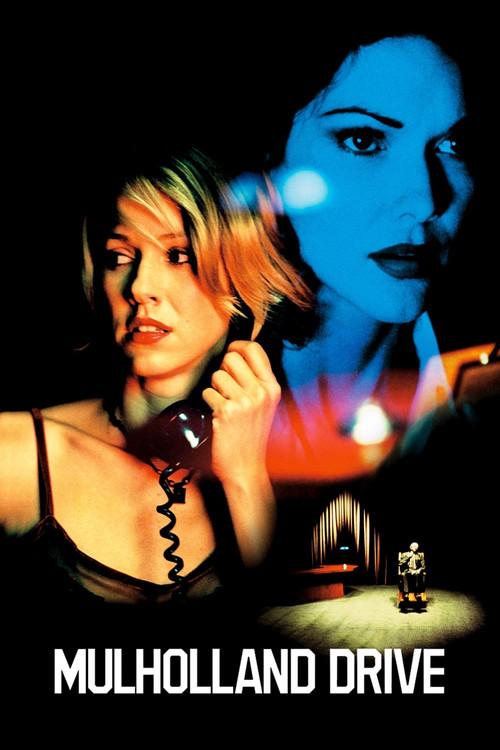
Mulholland Drive
The Experience
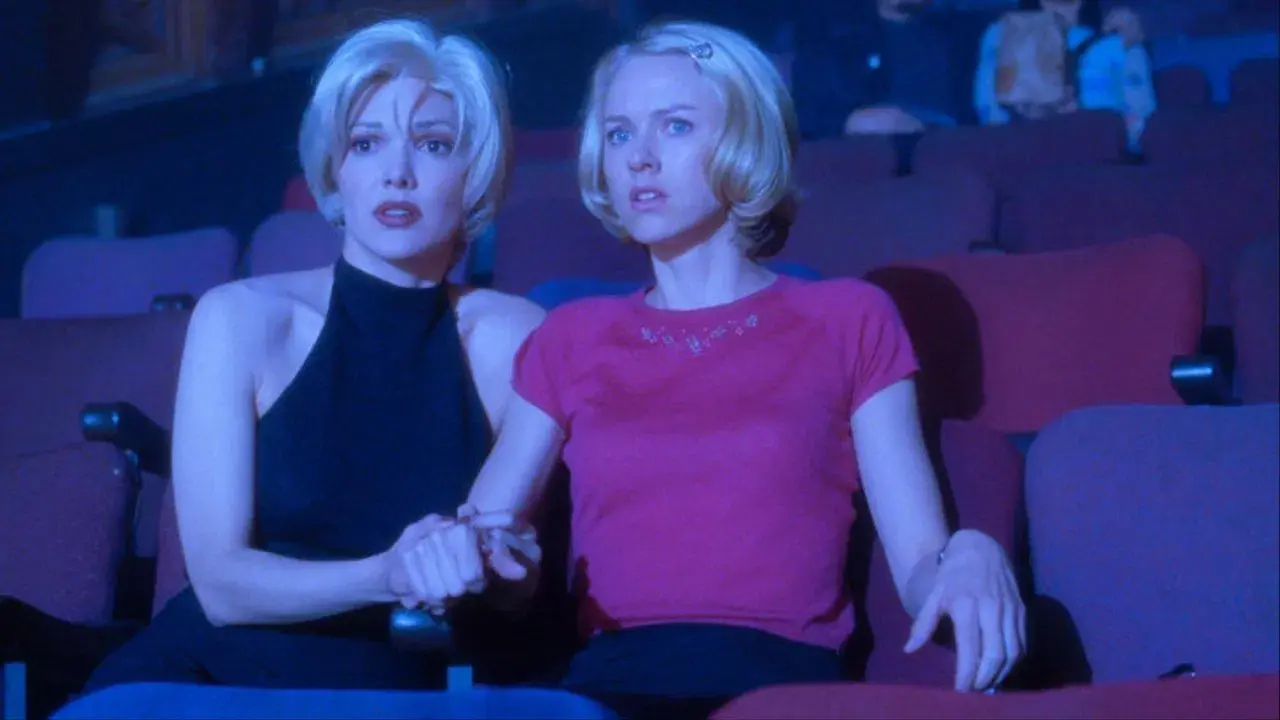
An aspiring actress and an amnesiac woman collide in a search for identity that devolves into a surreal nightmare. Lynch shatters the Hollywood dream to expose the psychological trauma of rejection in cinema's most famous mind-bender.
Cast & Crew
Director: David Lynch
Starring: Naomi Watts, Laura Harring
Production Details
Budget: $15 million
Box Office: $20.1 million
Content Advisory
Contains: Mature Content
📊INTENSITY GRAPHIntensity GraphShows plot intensity
throughout the movie. Higher peaks
indicate more intense moments.
throughout the movie. Higher peaks
indicate more intense moments.
🧬CINEMATIC DNAGenre DNA BreakdownVisual representation of the movie's
genre composition. Larger segments
indicate dominant genre elements.
genre composition. Larger segments
indicate dominant genre elements.
Genre DNA Distribution
- Mystery: 50%
- Thriller: 30%
- Drama: 20%
Movie Intensity Arc
- Minute 25: Winkie's (40/100 Intensity)
- Minute 70: Audition (55/100 Intensity)
- Minute 110: Silencio (95/100 Intensity)
- Minute 125: The Box (100/100 Intensity)
- Minute 140: Reality (90/100 Intensity)
Community Reviews
Frequently Asked Questions About Mulholland DriveFAQ About Mulholland Drive
Common questions about Mulholland Drive and this psychological descent into artistic obsession.
How does Mulholland Drive explore the 'Fractured Artist'?
Like Black Swan, it deals with the 'Doppelgänger' (the double). The first half of the film is a dream-fantasy where the failing actress (Diane) imagines herself as a talented, hopeful star (Betty). The film documents the moment the 'Black Swan' of reality shatters the 'White Swan' of the dream, leading to total mental collapse.
What does 'Silencio' mean?
The Club Silencio scene is the film's '1+1=1' moment. It proves that the music we hear is a recording and the performers are lip-syncing. It is a warning to the protagonist that her reality is a fabrication. It represents the silence of the grave and the end of the illusion that she could ever be a star.
Who is the 'Monster' behind Winkie's?
The terrifying figure represents the raw, ugly truth that Diane is hiding from herself. It is the manifestation of her guilt and the 'darkness' required to succeed in Hollywood. It mirrors the 'demonic' version of Nina that begins to appear in mirrors—the part of the psyche that the artist is terrified to look at.
What is the blue box?
The box is the gateway between the dream and reality. Once the key is turned and the box is opened, the 'Betty' persona is sucked into the darkness and the real, traumatized 'Diane' wakes up. It symbolizes the point of no return in a psychological breakdown where the fantasy can no longer protect the ego.
Movie data and posters powered by

This product uses the TMDB API but is not endorsed or certified by TMDB.
Curated by Filmiway Editorial Team
Expert analysis of psychological thrillers