Nightcrawler (2014) - Movies Like Black Swan | Filmiway
Why This Psychological Thriller Hits Hard
Nightcrawler swaps ballet for crime journalism, but keeps the same icy focus on ambition mutating into sociopathy and performance for the camera.
Nightcrawler
The Experience
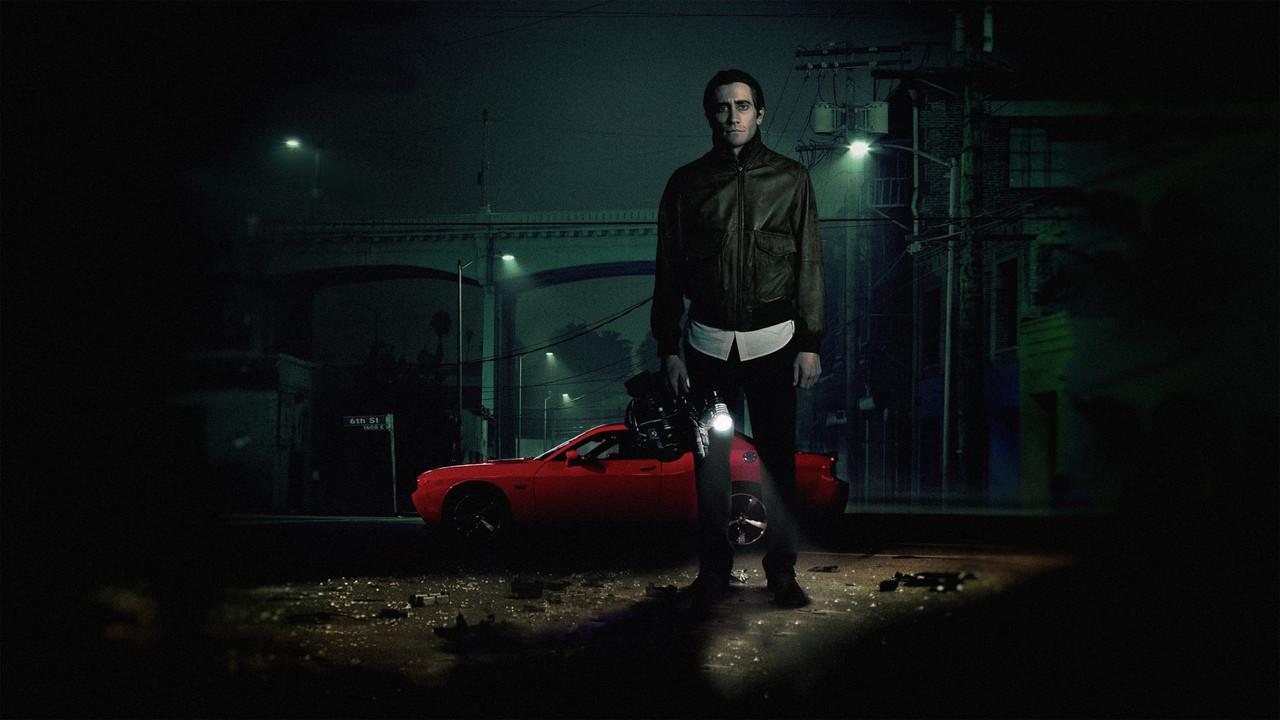
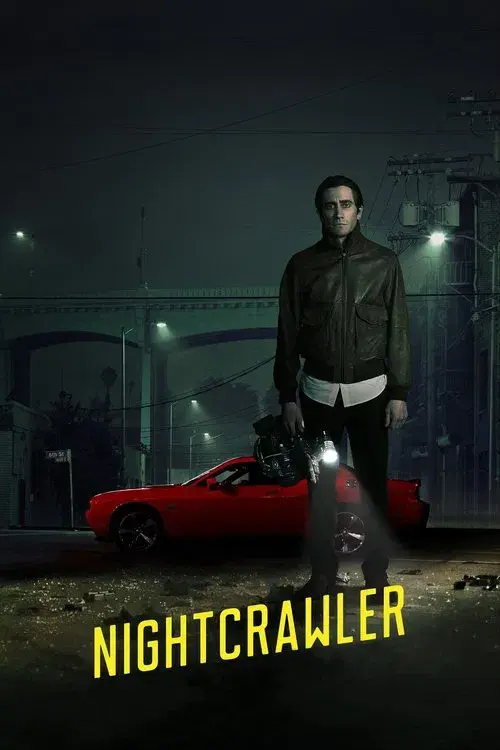
A petty thief turns tragedy into cold, calculated art by racing to capture the first footage of accidents and murder. Lou Bloom is the sociopathic evolution of the obsessive artist, where the perfect shot is worth more than a human life.
Cast & Crew
Director: Dan Gilroy
Starring: Jake Gyllenhaal, Rene Russo
Production Details
Budget: $8.5 million
Box Office: $50.3 million
Clean Content Record
Nightcrawler: No sexual content or graphic scenes present in this film.
📊INTENSITY GRAPHIntensity GraphShows plot intensity
throughout the movie. Higher peaks
indicate more intense moments.
throughout the movie. Higher peaks
indicate more intense moments.
🧬CINEMATIC DNAGenre DNA BreakdownVisual representation of the movie's
genre composition. Larger segments
indicate dominant genre elements.
genre composition. Larger segments
indicate dominant genre elements.
Genre DNA Distribution
- Crime: 40%
- Thriller: 40%
- Neo-Noir: 20%
Movie Intensity Arc
- Minute 20: The Camera (45/100 Intensity)
- Minute 50: Home Invasion (65/100 Intensity)
- Minute 85: The Sabotage (80/100 Intensity)
- Minute 110: The Chase (96/100 Intensity)
- Minute 117: The Intern (70/100 Intensity)
Community Reviews
Frequently Asked Questions About NightcrawlerFAQ About Nightcrawler
Common questions about Nightcrawler and this psychological descent into artistic obsession.
Is Lou Bloom an artist or a predator?
Lou views himself as an artist and a businessman. His 'canvas' is the crime scene, and his 'brush' is the camera. However, his lack of empathy makes him a predator. He represents the 'Black Swan' taken to a sociopathic extreme: someone who will literally arrange a murder just to get the perfect shot.
What does the mirror breaking scene symbolize?
This is Lou's only moment of genuine, uncontrolled emotion. When he breaks the mirror, we see the 'cracks' in his sociopathic mask. Like Nina's mirror hallucinations, it shows a man whose internal self is so fractured and violent that it can no longer be contained by a polite facade.
Why does he let Rick die?
Rick became a 'cost' that Lou was no longer willing to pay. Lou orchestrated Rick's death not just to film it, but to eliminate a partner who was demanding more money and leverage. It is the ultimate act of 'Artistic Purity'—removing anything that interferes with the final product (the footage).
What is the film's message about the audience?
The film is an indictment of us. Lou Bloom only exists because we want to see the 'gore' on the morning news. If Nina Sayers represents the artist's sacrifice to art, Lou Bloom represents the artist's sacrifice of *others* to the audience’s hunger for spectacle.
Movie data and posters powered by

This product uses the TMDB API but is not endorsed or certified by TMDB.
Curated by Filmiway Editorial Team
Expert analysis of psychological thrillers