The Housemaid (2010) - Movies Like Parasite | Filmiway
Why This Class War Film Matters
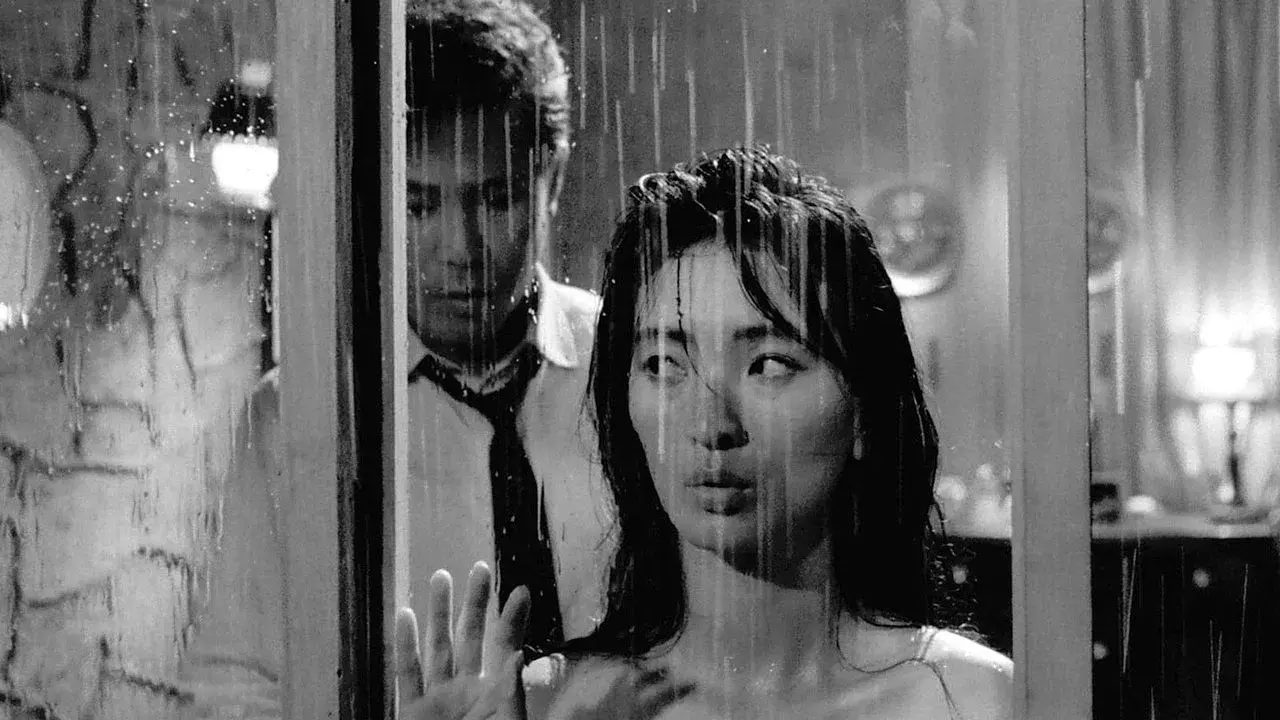
The Housemaid exposes sexual exploitation as class exploitation. The wealthy sexually abuse workers with impunity, leaving revenge as the only justice.
The Housemaid
The Experience
Eun-yi is hired as a housemaid for a wealthy family. When the husband seduces her and she becomes pregnant, the family's facade shatters. Im Sang-soo's erotic thriller exposes the violence lurking beneath wealth.
Cast & Crew
Director: Im Sang-soo
Starring: Jeon Do-yeon, Lee Jung-jae, Youn Yuh-jung
Production Details
Budget: $3 million
Box Office: $7.7 million
Content Advisory
Contains: Mature Content
📊INTENSITY GRAPHIntensity GraphShows plot intensity
throughout the movie. Higher peaks
indicate more intense moments.
throughout the movie. Higher peaks
indicate more intense moments.
🧬CINEMATIC DNAGenre DNA BreakdownVisual representation of the movie's
genre composition. Larger segments
indicate dominant genre elements.
genre composition. Larger segments
indicate dominant genre elements.
Genre DNA Distribution
- Thriller: 60%
- Drama: 30%
- Romance: 10%
Movie Intensity Arc
- Minute 15: Hired (30/100 Intensity)
- Minute 45: Seduction (60/100 Intensity)
- Minute 75: Pregnancy (75/100 Intensity)
- Minute 95: Manipulation (85/100 Intensity)
- Minute 105: Destruction (95/100 Intensity)
Community Reviews
Frequently Asked Questions About The HousemaidFAQ About The Housemaid
Common questions about The Housemaid and its exploration of class warfare and social inequality.
How did this film inspire Parasite?
Bong Joon Ho cites this 1960 classic as his biggest influence. Both films feature a working-class intruder entering a wealthy home, the use of stairs to represent social hierarchy, and a domestic space turning into a battlefield. It established the 'home invasion' genre in Korean cinema.
What does the Housemaid represent?
She is the ultimate 'Femme Fatale' and a symbol of class disruption. She enters the bourgeois home and systematically dismantles the nuclear family through seduction and manipulation. She represents the repressed chaotic forces that the rigid, middle-class society tries to keep out.
What is the significance of the rat poison?
Rat poison is a recurring motif representing the toxicity within the household. It is used to kill rats (pests/poor), but eventually becomes the weapon that destroys the family itself. It blurs the line between who is the pest and who is the homeowner.
Why is the ending considered a 'cop-out'?
The film ends with the husband addressing the audience, warning them about affairs, revealing the plot might have been a dream. This was likely forced by 1960s censors to uphold moral standards. Modern viewers often ignore this meta-ending, focusing on the bleak destruction that preceded it.
Movie data and posters powered by

This product uses the TMDB API but is not endorsed or certified by TMDB.
Curated by Filmiway Editorial Team
Expert analysis of class warfare cinema